
The contemporary wardrobe is no longer built around a single trend dictated by fashion shows. Fashion, beauty, and lifestyle converge towards a model where personal coherence takes precedence over seasonal renewal. Understanding the mechanisms underlying this evolution allows for more sustainable clothing and cosmetic choices without sacrificing style.
Capsule wardrobe and signature pieces: building a functional wardrobe
The logic of the capsule wardrobe is based on a principle of cross-compatibility between pieces. Each garment should be able to pair with at least three other items in the closet. This constraint eliminates impulsive purchases and forces reflection on cuts, materials, and color palettes.
We observe that signature pieces are gradually replacing trend purchases. A structured blazer in lightweight wool, a straight dress with a high collar, a pair of pleated trousers: these basics do not follow any season. Their longevity is due to the quality of the craftsmanship, not their positioning on a fashion calendar.
For women looking to refine their style daily, specialized platforms compile useful inspirations and insights. This type of editorial curation can be found on the Mademoiselle Emma website, which articulates fashion, beauty, and lifestyle in a coherent approach.
The choice of colors deserves special attention. Working with a limited palette (five to seven shades maximum, including two neutrals) simplifies combinations and provides an immediate visual identity. Bright colors are integrated as occasional accents on an accessory or a top piece, not as the base of the wardrobe.
Skinimalist beauty: short routine and hybrid products
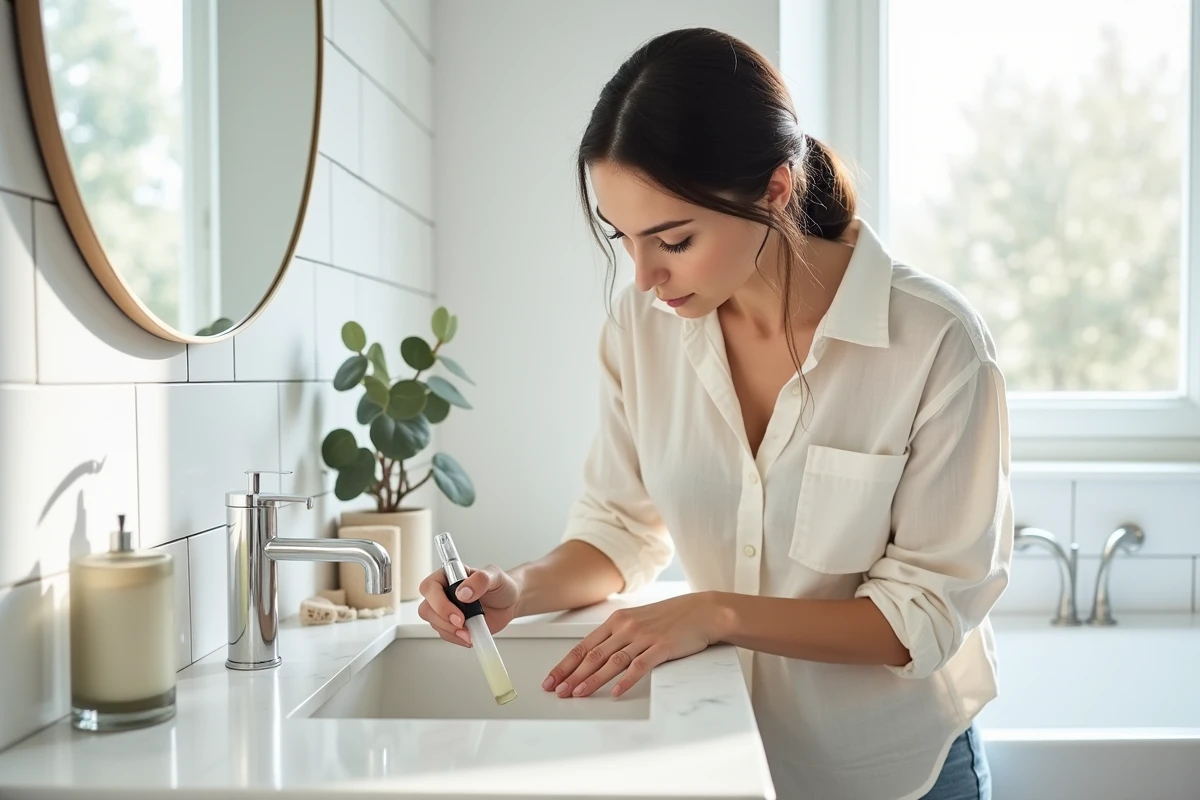
Long beauty routines are losing ground to multifunctional gestures. The skinimalist movement reflects a weariness with ten-step protocols. The search for efficiency drives the demand for hybrid products that combine skincare, sun protection, and light coverage in a single application.
This approach is not a simplification of the routine. It requires, on the contrary, a more rigorous selection of active ingredients. A well-chosen concentrated serum replaces three average products. The key lies in knowing one’s skin type and real needs, not in accumulation.
- A gentle cleanser suitable for skin pH, usable morning and night, is the non-negotiable foundation of any routine
- A tinted moisturizer with UV filter replaces foundation, day cream, and sun protection for daily use
- A multi-use balm (lips, cheeks, eyelids) reduces the number of products carried and simplifies natural makeup
Daily makeup is evolving in the same direction. The desired appearance is that of well-cared-for skin rather than covered skin. Creamy and transparent textures dominate, while heavy powders recede. Beauty elegance now comes from the visible quality of the skin, not from layering.
Circular fashion and second-hand: a sustainable lifestyle reflex
Circular consumption is no longer a niche movement. Reselling, renting, and buying second-hand have become normalized in fashion shopping habits. This shift changes the way personal style is constructed.
Buying second-hand requires developing a technical eye. One no longer selects a garment based on an advertising campaign, but by evaluating the quality of the seams, the fabric density, and the condition of the finishes. This skill transforms the relationship with clothing and refines taste.
Designer brands become accessible through this channel. A French-made coat, initially out of budget, can be found at a fraction of its original price on resale platforms. The criterion for selection shifts from new to the actual condition of the piece.

Brand transparency and informed choices
Consumers expect more transparency regarding composition, material origins, and manufacturing conditions. This demand directly influences purchasing decisions. A label, a detailed product sheet, or verifiable traceability weigh more heavily than marketing positioning.
We recommend systematically checking three elements before a textile purchase: the exact composition (fiber percentage), the country of manufacture, and any certifications. These data, when absent, constitute a warning signal.
Maximalism and quiet luxury: two coexisting stylistic lines
Quiet luxury, with its clean silhouettes and neutral tones, remains very present. Its codes (precise cuts, absence of visible logos, noble materials) appeal due to their longevity. A total beige look in cashmere and merino wool effortlessly transcends the seasons.
Maximalism returns in parallel with bold textures and intentional layering. Layering of patterns, eye-catching accessories, and mixes of contrasting materials: this approach demands superior technical mastery but allows for freer expression.
- Quiet luxury suits profiles that prioritize discretion and investment in timeless pieces
- Maximalism works better with vintage or second-hand pieces, where the cost of experimentation remains reasonable
- Combining both approaches (clean base, one strong piece per outfit) offers a balance between elegance and personality
The challenge is not to choose a camp, but to master proportions. A successful outfit relies on a relationship between volumes, textures, and colors. The trend of the moment serves as vocabulary, while the grammar remains personal.
Everyday style is built through iteration, not seasonal revolution. Each piece added to the wardrobe should answer a simple question: what will I wear it with tomorrow, and in six months? This discipline, applied to both fashion and beauty, creates a stylish daily life without dependence on consumption cycles.