Leisure is defined as any activity freely chosen outside of constrained time (work, domestic obligations, commutes). This simple definition hides a real difficulty: many people repeat the same routines during their free time without ever trying new practices. Exploring different activities can stimulate dormant skills, create new social connections, and rebalance the relationship between mental effort and recovery.
Restorative Leisure: Activities Targeting Mental Health
Since the pandemic, a category of leisure has emerged with an explicit focus on mental recovery. Mindfulness workshops, digital detox hikes, breathing workshops, and forest bathing are attracting a growing audience. The UCPA and INJEP Leisure Observatory has noted a continuous increase in these wellness practices since 2023 compared to purely recreational leisure, particularly among those aged 25-44.
This phenomenon goes beyond a simple trend. Several Regional Health Agencies are now encouraging programs of prescribed structured leisure by doctors: shared gardening, aqua walking, artistic workshops. The ARS Île-de-France participates in these initiatives as part of health-sport or therapeutic education for chronic illnesses.
The difference with traditional leisure lies in the structure. A guided forest bath led by a trained practitioner follows a precise protocol (slow walking, sensory exercises, silent pauses), whereas a simple walk in the forest remains free. The perceived benefits on anxiety and sleep quality vary according to this structure. Exploring leisure on make-world.org allows you to identify structured formats suitable for different profiles, including seniors.
Circular Creative Workshops: Upcycling, Repair, and Sustainable DIY
Creative leisure has taken a marked ecological turn in recent years. FabLabs, recycling centers, and municipal project houses report regular attendance at their upcycling workshops (furniture, clothing, electronics) and collaborative repair sessions. According to the National Network of Resource Centers and Recycling Centers, these workshops often have waiting lists.
The logic is twofold. On one hand, there is the satisfaction of transforming an object destined for the trash into something useful or beautiful. On the other, the acquisition of transferable technical skills: sewing, welding, woodworking, basic electronics.
Three formats of circular workshops deserve to be distinguished:
- Repair cafés, free and open to all, where volunteers help diagnose and repair everyday items (small appliances, bicycles, textiles).
- Upcycling workshops in recycling centers, often offered by registration at a modest cost, where the base material comes from the center’s donation flow.
- Associative FabLabs, which provide access to machines (laser cutter, 3D printer, milling machine) for a membership fee, with progressive learning guided by peers.
The interest for seniors is real: these workshops promote intergenerational connections and engage fine motor skills without requiring intense physical effort.
Gentle Physical Activities: Finding Balance Without Competition
Sports are among the most cited leisure activities by the French, but the pressure of performance discourages some of the public. Gentle physical activities offer a structured alternative without a numerical performance goal.
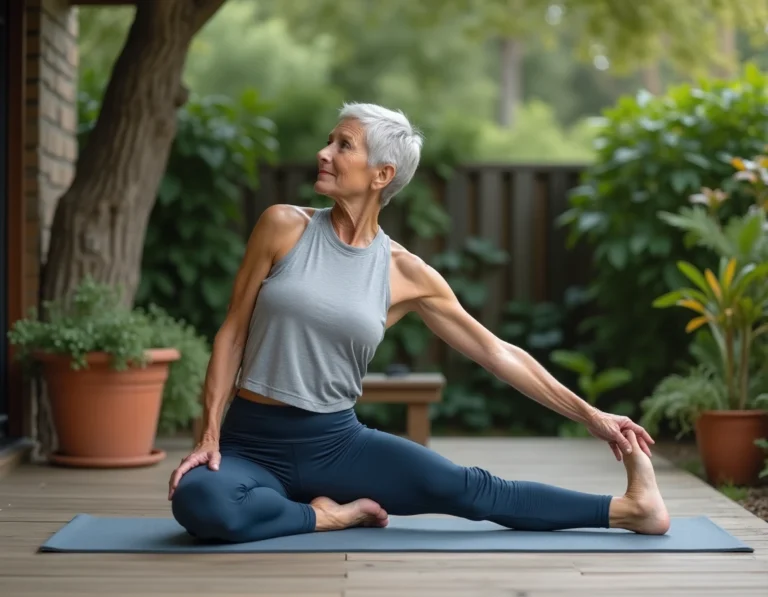
Nordic walking, qi gong, aqua gym, or postural stretching share a common point: they engage the cardiovascular system and the locomotor apparatus at a moderate intensity, compatible with most health conditions. Local community clubs often offer these classes at rates much lower than private fitness centers.
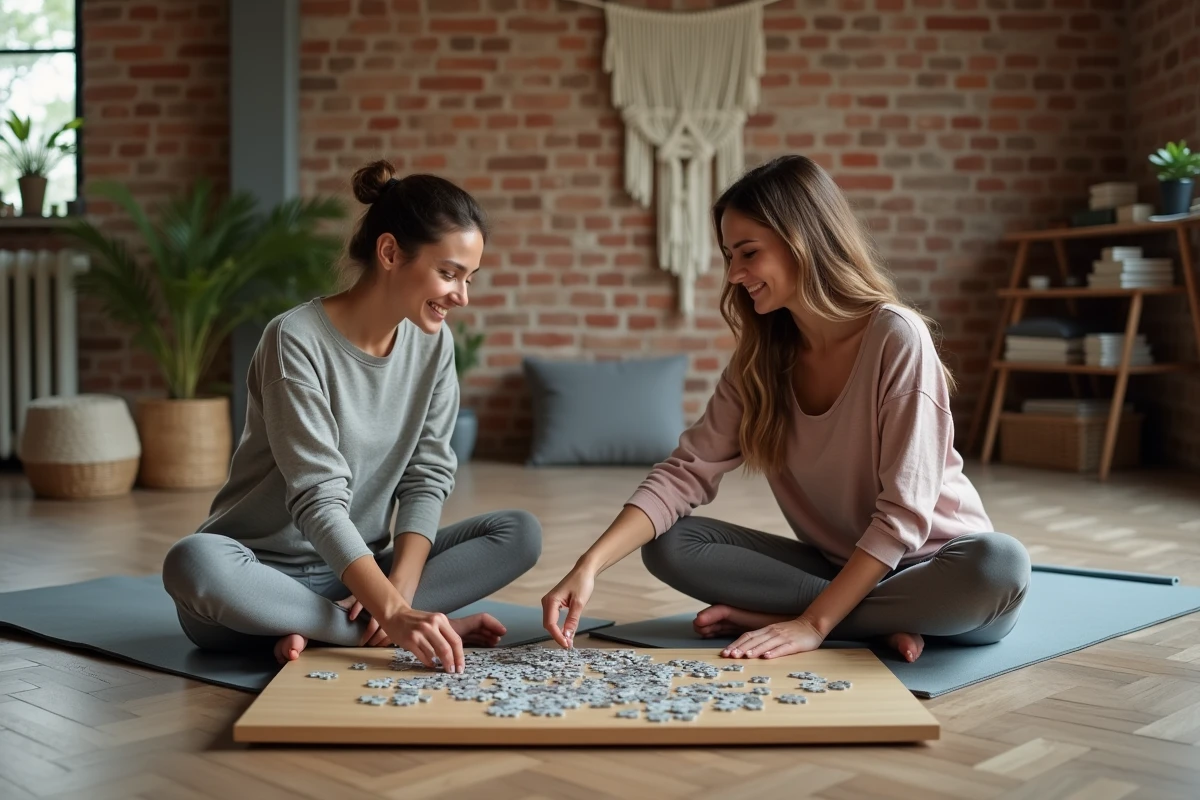
The choice of the right gentle physical activity depends on three concrete criteria:
- The presence of a trained instructor, capable of adapting movements to individual limitations (joint pain, balance issues).
- The regularity of the time slot, which conditions sustainable integration into the weekly routine.
- The collective or individual format: a group class of eight to twelve people fosters motivation through social engagement, while solo practice is better suited for those seeking calm.
These activities directly fit into the logic of prescribed leisure mentioned earlier. A doctor can refer someone to a certified health-sport structure, which facilitates the first step for those distanced from any physical practice.
Writing and Volunteering: Two Leisure Activities That Develop Lasting Skills
Creative writing and volunteering share an often underestimated characteristic: they produce reusable skills in professional and social life.
Writing workshops, whether focused on fiction, life stories, or poetry, train the structuring of ideas, precision of vocabulary, and listening skills (during cross-readings among participants). These groups exist in most municipal libraries and require no literary prerequisites.
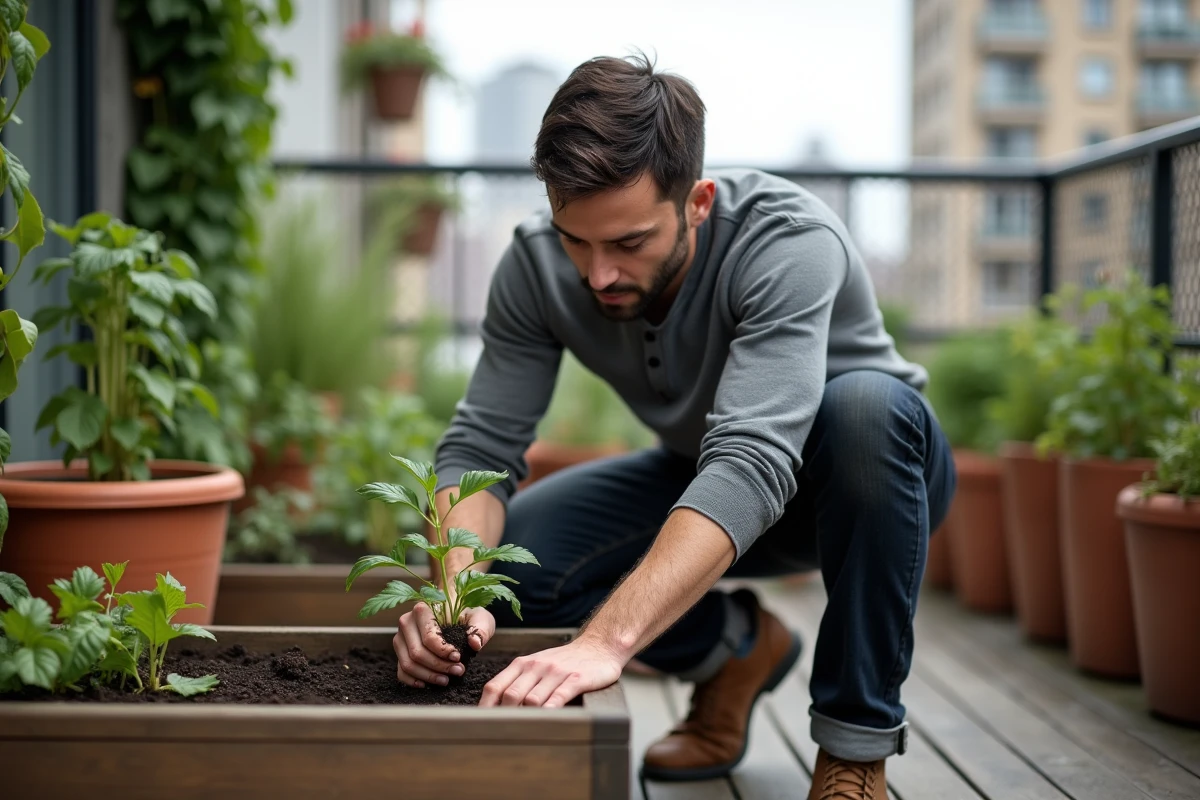
Volunteering, on the other hand, offers a learning framework through action. Supporting elderly people, participating in outreach, leading a tutoring workshop, or contributing to a shared garden develops organizational, relational, and sometimes technical skills. For seniors in particular, volunteering maintains an active social role after the end of their professional life.
The most effective method to start is to choose a single new activity and commit to it for a defined period, such as two months. This timeframe is sufficient to move beyond the initial discomfort phase and assess whether the leisure activity truly meets expectations. Multiplying simultaneous trials dilutes the investment and reduces the chances of establishing a new habit over time.