A bag of whole-bean coffee that smells wonderful when opened can produce a flat-tasting cup two weeks later. The difference isn’t in the beans themselves, but in what happens between roasting and the moment water passes through the grounds. To bring out the aromas of whole-bean coffee, choosing the right bag matters just as much as choosing the right origin.
Match your coffee beans to your machine and routine
Have you ever noticed that the same coffee can taste acidic in a drip coffee maker and smooth in an espresso machine? The brewing method changes what comes through in the cup. Lightly roasted beans with fruity notes shine with a slow extraction method, such as pour-over or French press. Darker-roasted beans with chocolate notes and a full body can handle the pressure of espresso without turning bitter.
A common mistake is buying a “premium” coffee without checking whether it suits your machine. A one-kilogram bag of dark-roasted beans bought for a drip coffee maker will often produce a heavy, bitter drink. Conversely, a high-altitude washed Arabica brewed in a fast automatic espresso machine may lack body.
Before looking at the origin or flavor profile, ask yourself two simple questions: what machine do you use, and how many cups do you drink each week? A small 250 g bag is suitable for moderate consumption. It lets you finish the bag before the aromas fade. When it comes to choosing quality whole-bean coffee, this practical approach helps avoid disappointment.
Roast date and storage: what really protects the aromas
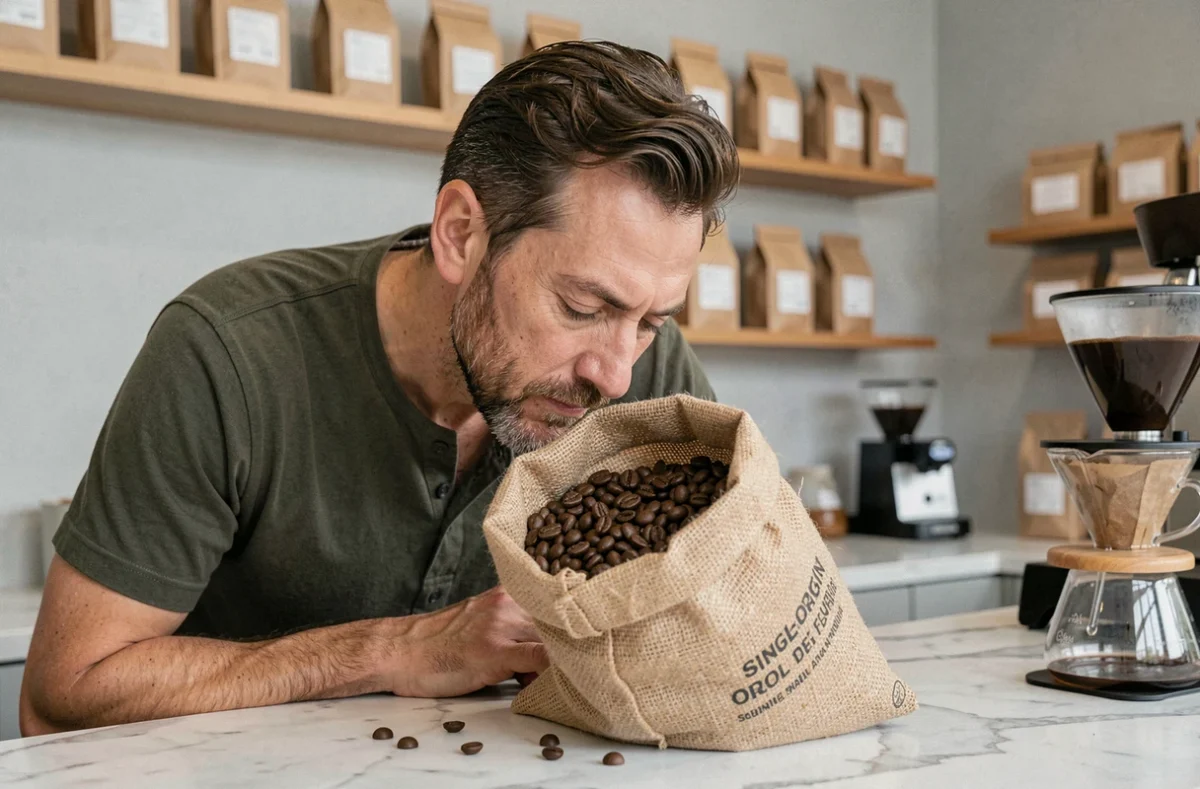
On a bag of whole-bean coffee, the best-before date tells you very little. What matters is the roast date. The more recent it is, the more of the coffee’s aromatic potential remains intact. ZHAW research into coffee storage found that freshness declines after opening, even with different types of packaging.
A bag with a one-way valve is a good sign. The valve lets carbon dioxide, naturally produced after roasting, escape while limiting oxygen exposure as long as the bag remains sealed. Once opened, that protection diminishes. Grinding the beans just before brewing is still the most effective way to preserve their flavor.
Freezer or cupboard: store coffee according to how much you drink
For a 250 g bag that you’ll finish in two weeks, a dry cupboard away from light is enough. If you buy in bulk, however, freezing is a good option. Divide the coffee into airtight portions and let each portion come to room temperature before opening it. Condensation is the enemy: it damages the surface of the beans and speeds up flavor loss.
- Small bag (250 g): store in a cupboard and use within a few weeks of roasting.
- Medium bag (500 g): reseal carefully after each use and finish within three to four weeks.
- Bulk purchase (1 kg or more): freeze the extra portions in airtight containers and thaw at room temperature before opening.
Origin and roast: how to read a whole-bean coffee label
Arabica accounts for most of the world’s coffee production. Robusta, which is stronger and higher in caffeine, is often used in espresso blends. Knowing the difference is helpful, but it’s not enough. Arabica beans from different regions don’t have the same flavor profile.
Central American Arabica tends to have mellow notes of chocolate and hazelnut. Beans from East Africa (Ethiopia, Kenya) often have bright acidity and floral or fruity notes. These characteristics depend on the terroir, altitude, and post-harvest processing method (washed or natural).
How roast level changes the taste in your cup
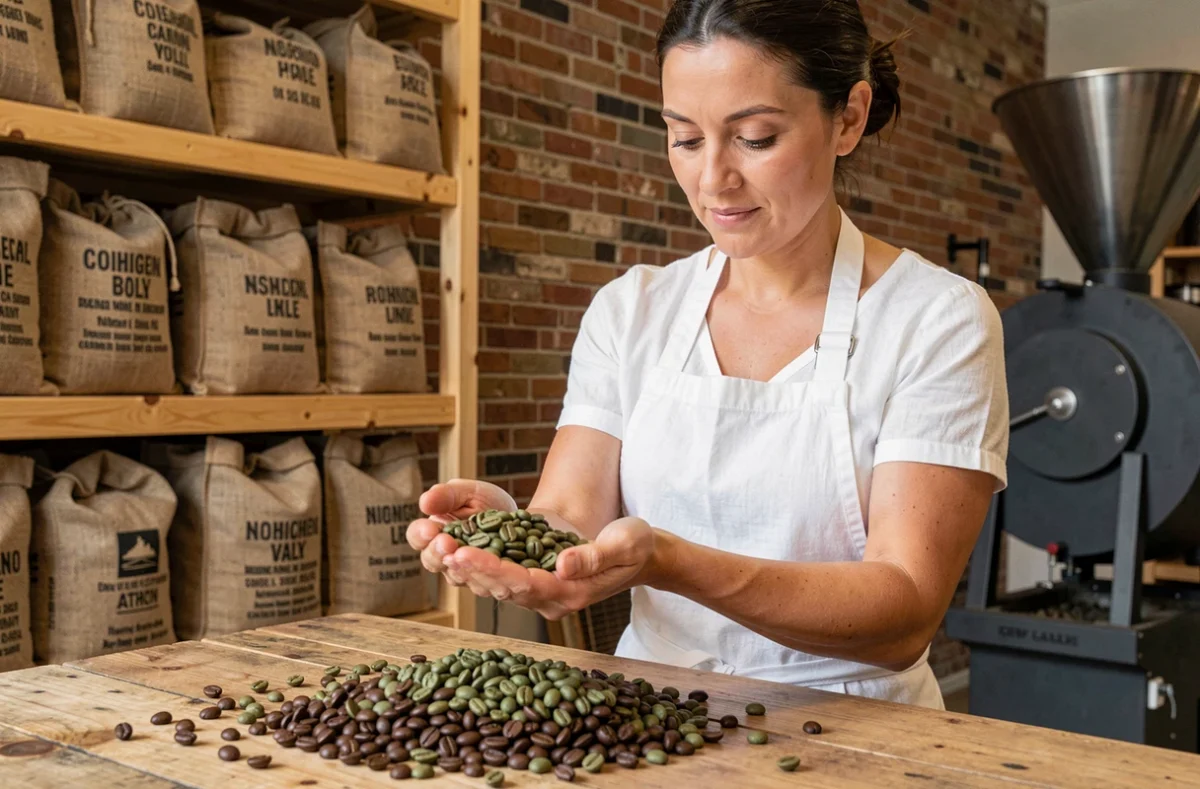
A light roast preserves acidity and the coffee’s origin characteristics. A dark roast develops body and toasted notes, but masks some of the bean’s complexity. In between, a medium roast offers an approachable balance for beginners.
Roast level also affects degassing. A 2018 ZHAW study found that, under the conditions tested, darker-roasted beans released more gas than lighter-roasted beans. So very freshly roasted coffee isn’t always ready to deliver its best flavor as soon as you open the bag: letting the beans rest for a few days after roasting improves extraction.
Whole-bean coffee traceability: beyond marketing
Packaging that says “100% Brazilian Arabica” doesn’t guarantee traceability to a specific farm or cooperative. Origin traceability is becoming a matter of regulatory compliance. The European Union’s anti-deforestation regulation includes coffee among the products it covers and sets out due diligence requirements for companies that sell them on the European market.
For consumers, this means that documented origin claims are likely to become more reliable in the years ahead. In the meantime, a few pointers can help you tell serious labeling apart from a simple marketing claim:
- The country name alone (“Colombia”) is a starting point. The region or cooperative name is more specific.
- The botanical variety (Caturra, SL28, Typica) indicates a higher level of transparency.
- The processing method (washed, natural, honey) gives you an idea of the expected flavor profile.
A roaster that provides this information usually has a direct relationship with the producer. It’s a more reliable indicator of quality than a generic label.
There’s no single best whole-bean coffee. The best choice depends on your machine, your palate, and how much coffee you drink. Start with those three factors, then look for a recent roast date and a traceable origin. You’ll get more consistent results than by chasing the latest “grand cru” recommended on a forum.