
A Lada sold in France with a valid registration certificate and a Lada imported from abroad do not present the same challenges when buying. The distinction between these two situations determines the true cost, how long it will take before you can legally drive the car, and sometimes whether you can enter certain urban areas at all. Before signing anything, it is worth understanding this difference in detail.
Lada already registered in France or imported: two different budgets
A vehicle that already has a French registration certificate makes the transaction much simpler. The change of ownership follows the standard procedure on the ANTS website, and the vehicle can be driven immediately with the transfer certificate.
For an imported Lada, the situation changes considerably. If the vehicle comes from the European Union, you will need a tax clearance certificate confirming its VAT status. For a vehicle from outside the EU, you must allow for customs clearance and the relevant supporting documents, which extend the process and increase the cost.
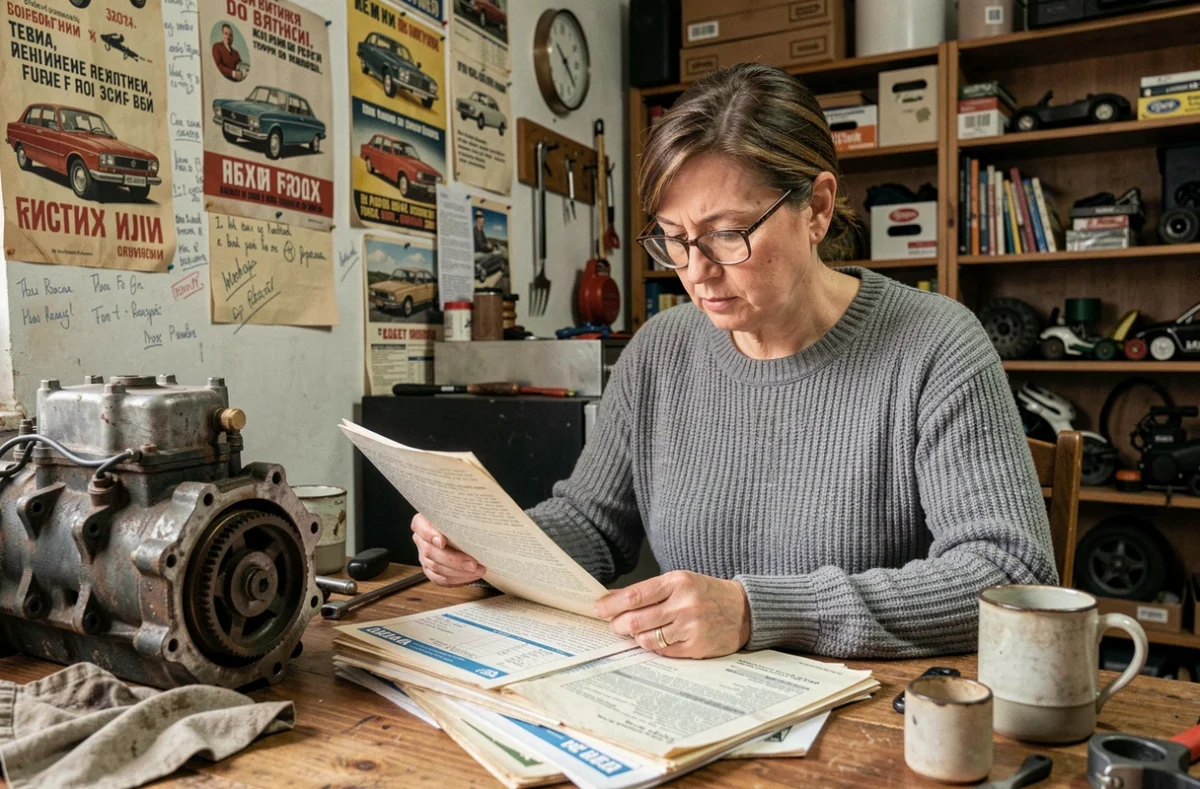
The most common pitfall is the European Certificate of Conformity (COC). Without this document, or if the VIN does not exactly match the paperwork provided, an individual vehicle approval inspection by the DREAL becomes mandatory. This procedure involves a thorough technical inspection and additional fees that can turn an apparent bargain into a money pit.
Before paying a deposit, the rule is simple: ask the seller for all the documents (foreign registration papers, invoice, transfer certificate, proof of conformity) and confirm with the relevant authorities that registering this specific vehicle is a realistic option. If you are thinking of buying a Lada in France, checking the paperwork in advance can prevent administrative delays that may last for weeks.
Crit’Air rating and low-emission zones: check before you buy
Driving restrictions in low-emission zones (LEZs) do not depend on the vehicle’s make. They are based on the engine type, Euro emissions standard and date of first registration. An older Niva or another Lada model may have a Crit’Air rating that bars it from several major French cities.
A common mistake is to assume that a grace period or the temporary absence of fines means the vehicle is suitable for everyday city driving. Local schedules change, and a temporary exemption does not guarantee long-term access. Before buying, compare these three practical scenarios:
- The vehicle can drive freely in the relevant LEZ, which is rare for older models with conventional combustion engines
- An individual exemption may be possible, but it requires specific applications and periodic renewal, with no guarantee of approval
- Some regular journeys may become impossible, requiring a second vehicle or alternative routes
If the Lada is intended exclusively for rural or suburban use outside an LEZ, this restriction does not apply. However, if you plan to use it for a mix of journeys that regularly include city centres, the actual Crit’Air rating of the model you are considering should be one of your first selection criteria.
Rust and drivetrain: mechanical checks for a used Lada
Corrosion remains the number-one problem with older Ladas. The underbody, wheel arches and chassis rails deserve a thorough inspection. Experienced owners often recommend applying rust protection to the chassis and bodywork as soon as you buy the vehicle, regardless of its apparent condition.
On the Niva in particular, the timing chain and driveshaft are key mechanical areas to check. Unusual drivetrain noise or a clunk when accelerating can indicate wear that may become costly if not addressed promptly.
Pre-purchase checklist
- Visually inspect and feel all underbody components to check for rust perforation, not just surface rust
- Check the timing chain (listen for rattling at idle and check for excessive play) and ask when it was last replaced
- Check the entire braking system: discs, pads, hoses and brake fluid level
- Test the drivetrain during tight turns and gear changes to identify any suspicious jolts or vibrations
- Ask for the service history, even if incomplete, to assess how consistently the vehicle has been maintained
Spare parts for Lada models are generally affordable, and much of the routine maintenance can be done with standard tools. This ease of maintenance is part of the model’s appeal, but it does not replace the need for a thorough inspection before buying.
Routine Niva maintenance: plan for recurring costs
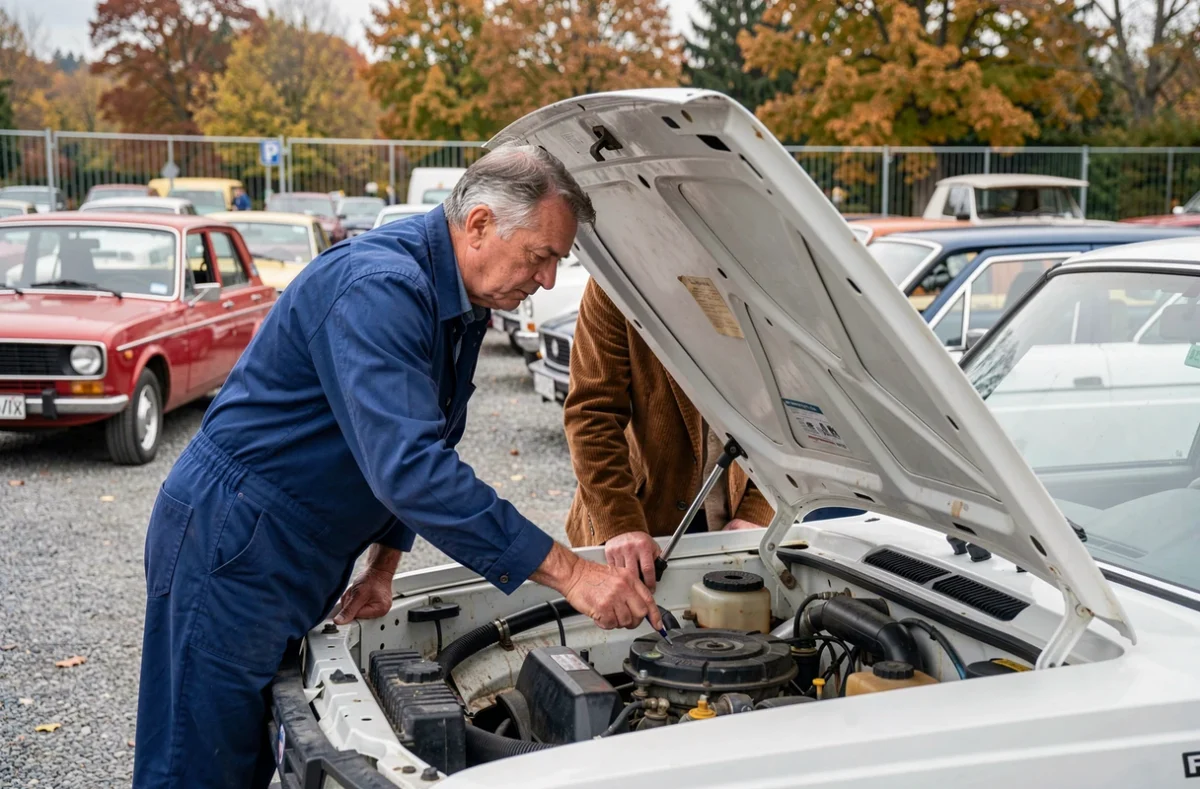
The Niva’s mechanics are relatively simple compared with those of modern vehicles. No complex electronics, few sensors and easily accessible components. But this simplicity has a downside: regular maintenance is not optional; it is essential.
Oil changes need to be carried out at shorter intervals than today’s standards would suggest. The cooling system, often neglected, can cause overheating if the coolant is not replaced or the thermostat starts to fail. Carburettor models need periodic adjustments that general repair shops may not always be equipped to handle.
Finding a mechanic familiar with these vehicles, or joining an owners’ club with a network of contacts, can make everyday ownership much easier. French Lada forums and groups are a valuable resource for finding reliable parts suppliers and knowledgeable specialists.
Annual maintenance costs for a well-maintained Niva remain modest thanks to the price of spare parts. The real expense comes when an owner neglects maintenance for several years, allowing problems to build up that would have been inexpensive to fix individually.
One final point that is rarely mentioned: if you choose an imported model, expect to wait for the final registration certificate. Several weeks may pass while you gather the documents, complete any required DREAL procedures and wait for the ANTS to process your application. During this time, the vehicle cannot be driven legally.