After 60, energy expenditure increases for the same physical effort, sleep becomes fragmented, and medication treatments sometimes accumulate without reevaluation. Preserving health on a daily basis at this age requires understanding what changes in the body and adjusting routines accordingly.
Polypharmacy after 60: an underestimated health issue

With age, prescriptions lengthen. A treatment prescribed at 55 for mild hypertension may become unsuitable ten years later, especially if other medications have been added in the meantime. This phenomenon has a name: polypharmacy.
The problem does not lie with the medications taken in isolation, but with their interactions. A sleeping pill combined with an antihypertensive can cause falls. A long-term anti-inflammatory weakens the kidneys already stressed by other molecules. Since 2023, deprescribing (the act of stopping or reducing treatments that have become unnecessary or harmful) has become part of the recommendations increasingly echoed in senior health policies.
It is useful to ask your doctor, at least once a year, to review each line of the prescription. Several resources detail these issues on the health section of Guide Seniors, including questions to ask during a reevaluation consultation.
Deprescribing is not an act of distrust towards the doctor. It is a health reflex that avoids adverse effects often wrongly attributed to aging itself.
Chronic inflammation and microbiota: the role of diet after 60

The advice to eat five fruits and vegetables a day remains valid, but it does not fully explain why diet weighs so heavily on health after 60. The main issue lies in inflammation and the gut microbiota.
Aging is accompanied by chronic low-grade inflammation, sometimes referred to as “inflammaging.” This silent inflammation accelerates muscle loss, weakens joints, and increases cardiovascular risk. Diet can either maintain it or slow it down.
The Mediterranean model as an anti-inflammatory lever
A diet rich in polyphenols (red fruits, olive oil, nuts) and fibers (legumes, whole grains) directly affects the gut microbiota. The latter, often imbalanced after 60, plays a role in regulating inflammation and nutrient absorption.
The Mediterranean diet is not a diet in the restrictive sense. It is based on a few simple principles:
- Favor plant-based fats (olive oil, nuts) over animal saturated fats
- Consume legumes (lentils, chickpeas) several times a week for their fiber and plant protein content
- Include fatty fish (sardines, mackerel) for their omega-3 fatty acids, which help reduce inflammation
- Reduce ultra-processed products, which are major sources of added sugars and pro-inflammatory additives
A diverse gut microbiota contributes to better nutrient absorption and limits inflammatory states. Diet remains the most accessible lever to act on this balance, well before dietary supplements, whose benefits remain debated.
Physical activity after 60: the question of intensity and regularity
The recommendation to “move every day” is vague. What matters after 60 is the type of effort and its frequency, not just the act of walking.
Moderate endurance and muscle strengthening
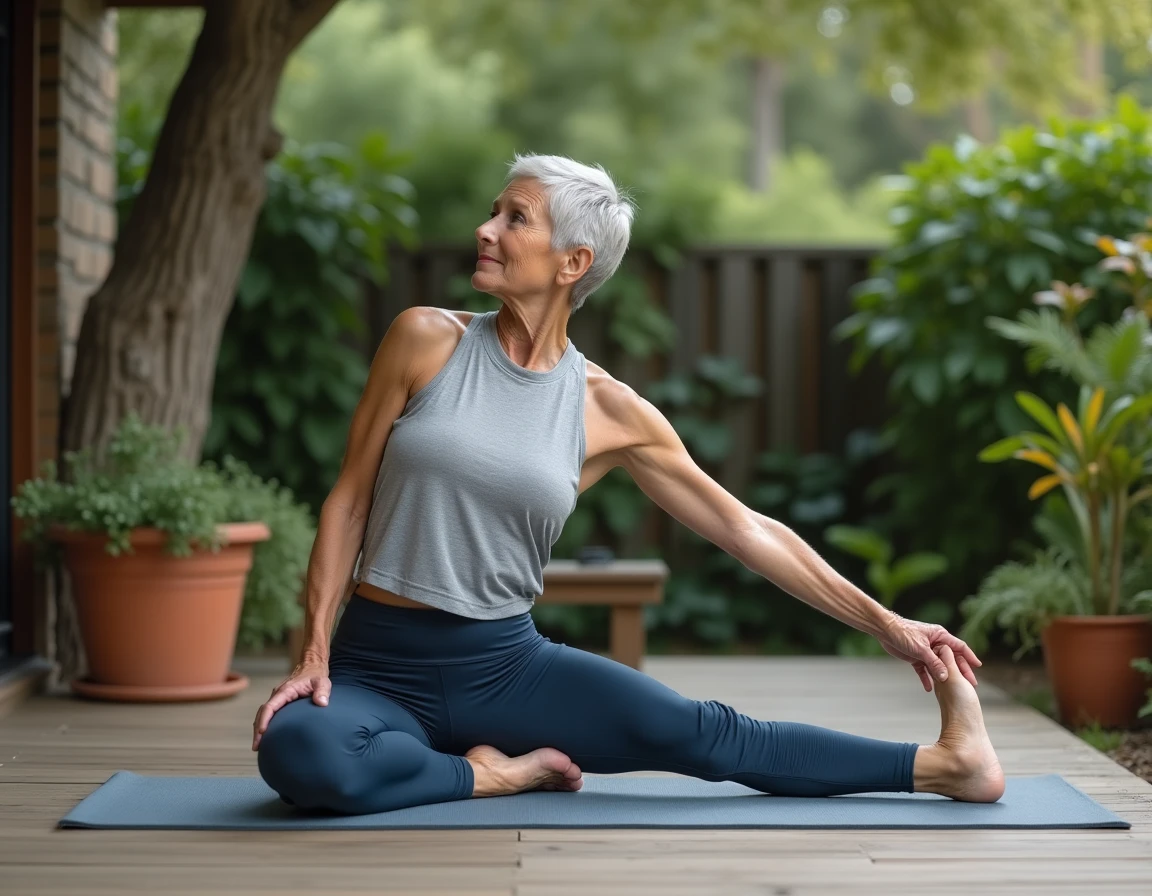
Muscle mass loss (sarcopenia) begins well before 60, but accelerates significantly from that age. Walking alone is not enough to slow it down. Strengthening exercises, even light ones (bodyweight squats, resistance bands, stair climbing), practiced two to three times a week, preserve muscle mass and reduce the risk of falls.
Moderate endurance (brisk walking, cycling, swimming) complements this work by acting on the cardiovascular system. A few tens of minutes a day, at an intensity where one can still hold a conversation, are enough to achieve measurable effects on blood pressure and sleep quality.
Adapting effort to joint constraints
Osteoarthritis affects a large proportion of those over 60. Contrary to a persistent misconception, adapted physical activity relieves osteoarthritis rather than aggravating it. Movement maintains cartilage by promoting its nutrition through synovial fluid. In contrast, high-impact sports (running on pavement, intensive tennis) can be replaced by low-impact activities like cycling or aquagym.
Fragmented sleep after 60: understand before compensating
Sleep changes with age. Deep sleep phases shorten, nighttime awakenings multiply, and falling asleep occurs earlier in the evening. These changes are physiological, not pathological.
The trap is wanting to regain the sleep of your 30s by multiplying aids (sleeping pills, melatonin, screens late at night to “tire the eyes”). Sleeping pills are among the medications most affected by deprescribing in seniors due to their link with nighttime falls and cognitive disorders.
Some adjustments yield more lasting results:
- Maintain regular bedtimes and wake-up times, including on weekends
- Limit naps to about twenty minutes in early afternoon
- Expose your eyes to natural light in the morning to reset the circadian rhythm
- Reserve the bedroom for sleep (no television, no tablet in bed)
A fragmented but regular sleep is better than artificially prolonged sleep by hypnotics. Sleep quality is measured more by how you feel upon waking than by the number of hours spent in bed.
Reevaluating treatments, nourishing your microbiota, adapting physical effort to your joints, accepting a different sleep pattern: each of these levers acts on concrete biological mechanisms that age modifies, but that daily life can still influence.