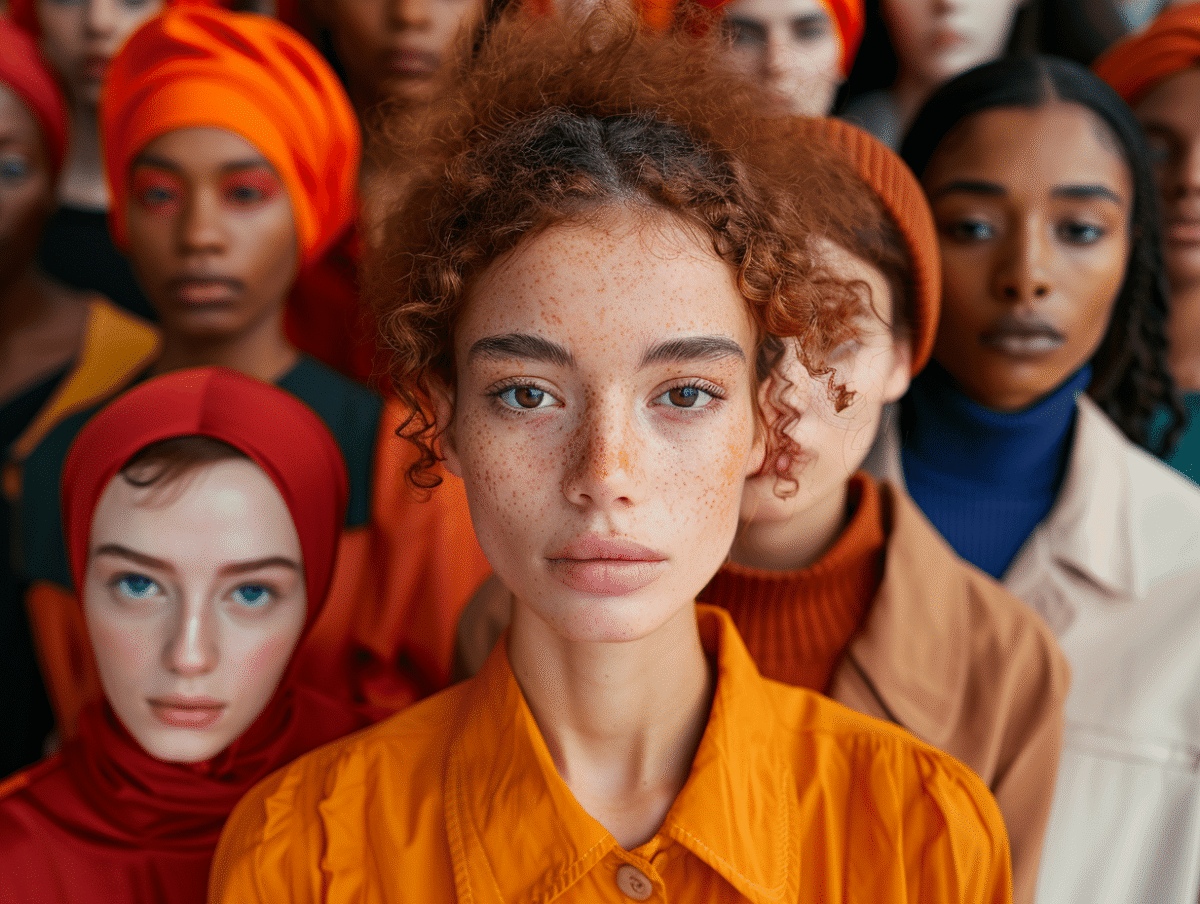
The appreciation of beauty in France, like in many cultures, is deeply rooted in a complex social and historical context. Researchers have examined the evolution of aesthetic standards, exploring their impact on individual and collective identity. This in-depth scientific study highlights the criteria of beauty that have prevailed across different eras, while examining their influence on contemporary behaviors and practices. It also questions how these criteria are conveyed by the media and the fashion industry, and their repercussions on self-perception and personal esteem.
The scientific foundations of beauty criteria
In the analysis of beauty criteria, the work of Betül Yılmaztürk, a morphologist and anti-aging physician, reveals that female beauty revolves around concepts such as youth, sexual differentiation, and slenderness of the body. These criteria are continuously influenced by evolutionary and biological factors. Facial and body symmetry is often perceived as a sign of good health, hence its association with the ideal of beauty. Pheromones, on the other hand, play a role in sexual attraction, subconsciously influencing aesthetic standards.
Beauty, in its social dimension, is not merely a matter of aesthetics; it carries a social and biological function. According to the theories of Darwinian evolution, traits associated with female beauty, such as the glow of youth or the ability to signal fertility through certain physical attributes, have been favored in the process of natural selection. These characteristics, in addition to their role in interpersonal attraction, are also powerful vectors of self-affirmation.
However, the relativity of female beauty is essential; while some aspects are universally recognized, they are also subject to constant evolution, reflecting cultural and social changes. Female beauty thus conforms to criteria that, far from being fixed, are the product of a complex interaction between variable aesthetic norms and the individuality of each person.
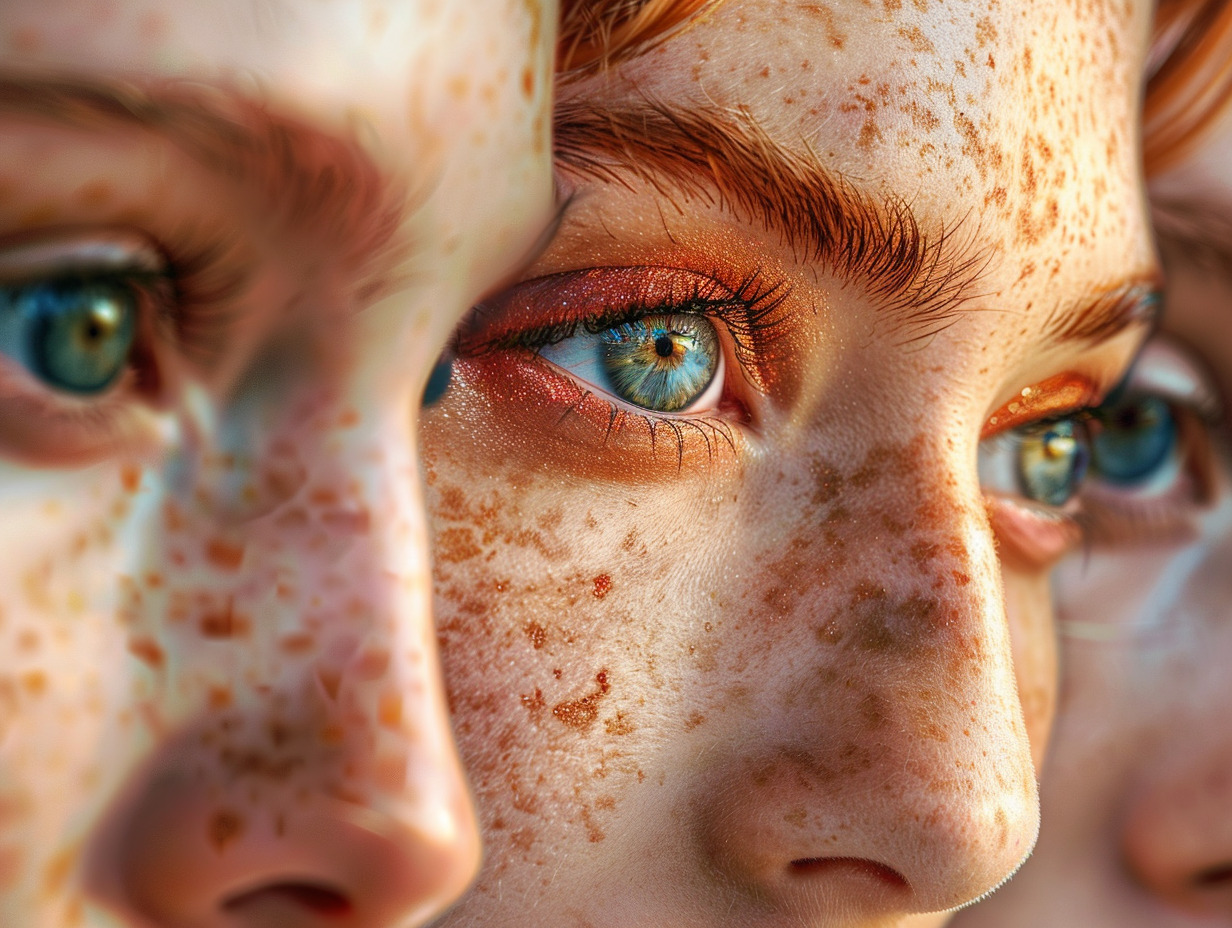
The evolution of beauty standards and their societal impact
The constant mutation of beauty standards reflects a society in perpetual evolution. The cosmetics industry, like the Paris Éditions house, is a major player in defining and propagating these norms. Social media, having become catalysts for trends, amplify the dissemination of physical appearance canons, shaping perceptions of facial beauty and female body. These platforms thus illustrate the precariousness of aesthetic criteria, which undergo continuous transformation influenced by cultural and media factors.
The concept of Pretty Privilege, explored by journalist Jennifer Padjemi, materializes the idea that beauty confers social and professional advantages. This notion highlights the aesthetic discrimination that can arise from a hierarchy of physical appearance. Social relations, imbued with this reality, testify to how beauty can influence individuals’ life trajectories, paving the way for inequalities based on sometimes ephemeral and subjective criteria.
In this perspective, current beauty norms are not merely aesthetic indicators, but also reveal complex social dynamics. The interconnections between the societal impact of beauty and beauty norms underscore the need to understand beauty as a global phenomenon, influencing and influenced by social structures and power relations.